
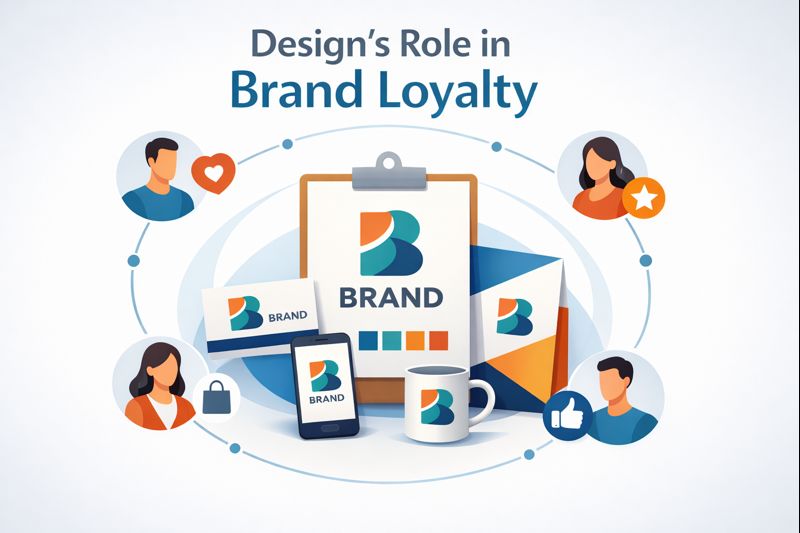
Graphic design is a powerful communication tool that shapes how consumers perceive a brand. In an increasingly visual marketplace, design influences not only attention but also trust and loyalty. Every visual element a brand presents—from its logo to its digital platforms—contributes to the overall brand experience. When executed effectively, graphic design builds credibility, fosters emotional connections, and encourages long-term customer relationships.
First Impressions and Brand Trust
Brand trust often begins with the first interaction, and graphic design is central to that moment. Visual elements such as color, typography, layout, and imagery immediately signal professionalism and reliability. A poorly designed website or inconsistent branding can create doubt, making customers question the quality of a brand’s offerings. In contrast, a polished and visually appealing design creates a positive perception and reassures customers that the brand is credible and dependable.
The Role of Consistency in Visual Identity
Consistency in graphic design is essential for establishing trust. When a brand maintains a uniform visual identity across websites, packaging, advertisements, and social media, it reinforces recognition and reliability. Consistent design demonstrates attention to detail and organizational stability. Over time, repeated exposure to the same visual elements builds familiarity, helping customers feel more confident and comfortable engaging with the brand.
Communicating Brand Values Through Design
Graphic design plays a vital role in expressing a brand’s values and personality. Color choices, typography styles, and imagery can evoke emotions and communicate messages without words. For example, minimalist designs often convey transparency and sophistication, while bold visuals suggest innovation and confidence. When visual elements align with a brand’s mission and messaging, customers perceive the brand as authentic. Authenticity strengthens trust and encourages customers to form lasting connections.
Enhancing Customer Experience and Satisfaction
Effective graphic design improves the overall customer experience by enhancing usability and accessibility. Clear layouts, readable typography, and intuitive navigation make it easier for customers to find information and complete actions. A visually organized and user-friendly design reduces frustration and increases satisfaction. When customers have positive experiences interacting with a brand, they are more likely to return and develop loyalty.
Emotional Connection and Customer Loyalty
Customer loyalty is deeply influenced by emotional connections, and graphic design helps create those bonds. Through visual storytelling, brands can communicate their identity and values in ways that resonate emotionally with audiences. Thoughtful imagery and engaging visual content make customers feel understood and valued. Emotional attachment reduces the likelihood of customers switching to competitors, even when alternatives are available.
Brand Differentiation in Competitive Markets
In crowded markets, graphic design helps brands stand out. A distinctive and memorable visual identity allows customers to easily recognize and recall a brand. Strong design differentiation not only captures attention but also builds preference over time. Familiarity combined with positive experiences leads customers to choose the same brand repeatedly, reinforcing loyalty.
Conclusion
Graphic design is more than a visual enhancement; it is a strategic element that directly impacts brand trust and customer loyalty. By creating strong first impressions, maintaining consistency, communicating authenticity, improving user experience, and fostering emotional connections, effective graphic design strengthens customer relationships. Brands that invest in purposeful and thoughtful design are more likely to earn trust, inspire loyalty, and achieve long-term success.